Commercial Insurance for Startups
Commercial insurance helps protect your startup from financial loss. It covers risks like accidents, lawsuits, property damage, and employee issues. Even small startups face risks, so having insurance is important from the beginning.
Why Startups Need Insurance
Startups often work with limited money. One unexpected problem can cause a big loss. Insurance gives safety and peace of mind. It also helps build trust with clients, investors, and partners. Some clients may even require insurance before signing contracts.
Common Types of Commercial Insurance
General Liability Insurance
This covers basic risks like injuries to customers or damage to someone else’s property. For example, if a client slips in your office, this insurance helps pay medical costs.
Professional Liability Insurance
This is also called Errors and Omissions insurance. It protects your business if a client claims your service caused them a loss. This is useful for IT, consulting, and service-based startups.
Property Insurance
This covers your office, equipment, and furniture from risks like fire, theft, or natural disasters. Even if you work from a small office, this coverage is helpful.
Workers’ Compensation Insurance
If you have employees, this insurance is often required by law. It covers medical costs and lost wages if an employee gets injured at work.
Cyber Insurance
This protects your startup from online risks like hacking, data breaches, or cyber attacks. It is very important for startups handling customer data.
Business Interruption Insurance
If your business stops due to a disaster, this insurance helps cover lost income and ongoing expenses like rent and salaries.
Also Check – Scholorships For USA Students
How to Choose the Commercial Insurance Right Plan
Start by identifying your risks. Think about your industry, size, and type of work. Compare different insurance providers and plans. Look at coverage, cost, and claim process. It is better to choose a plan that gives enough protection, not just the cheapest one.
Cost of Commercial Insurance
The cost depends on many factors. These include your business type, number of employees, location, and coverage amount. Small startups may pay a lower premium, but high-risk businesses may pay more.
Tips for Startups
Always read the policy details carefully. Understand what is covered and what is not. Start with basic coverage and upgrade as your business grows. It is also helpful to talk to an insurance advisor.
Final Thoughts
Commercial insurance is not an extra expense. It is a smart investment for your startup’s safety. With the right plan, you can focus on growing your business without worrying about unexpected problems.
plz provide 1500 words info on commercial insurance plans for startups. use simple and easy sentences with paragraphs, headings, use human sentences, dont copy other websites dont use middle lines
Introduction to Commercial Insurance for Startups
Starting a business is exciting, but it also comes with risks. A startup often focuses on growth, customers, and product development. However, unexpected problems can happen at any time. This is where commercial insurance becomes important. It helps protect your business from financial losses caused by accidents, legal issues, or damage.
Commercial insurance is a type of coverage designed for businesses. It supports startups by reducing the impact of risks. Even a small mistake or accident can cost a lot of money. Insurance acts like a safety net so that your business can continue running smoothly.
Why Commercial Insurance is Important for Startups
Startups usually have limited funds. They cannot afford large losses in the early stages. Insurance helps manage these risks in a simple way. It allows business owners to focus on growth without constant worry.
Another reason is trust. Many clients and partners prefer working with insured companies. It shows that your startup is responsible and professional. In some cases, having insurance is also required by law or contracts.
For example, if your startup works with big companies, they may ask for proof of insurance. Without it, you may lose business opportunities. So, insurance not only protects you but also helps you grow.
Types of Commercial Insurance Plans
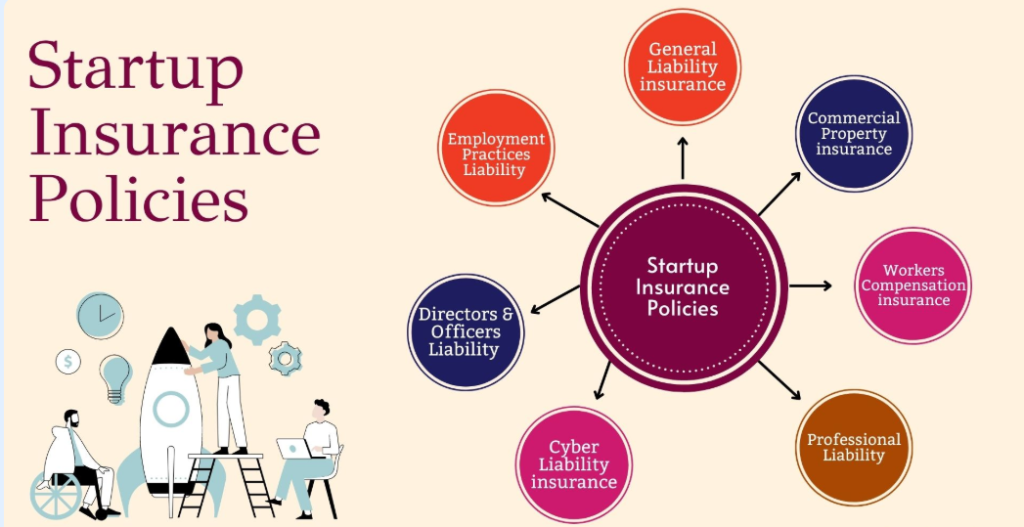
There are different types of insurance plans available for startups. Each plan covers a specific type of risk. You can choose one or more based on your needs.
General Liability Insurance
This is one of the most common insurance plans. It covers basic risks like injury to a person or damage to property. For example, if a customer visits your office and gets injured, this insurance helps pay medical expenses.
It also covers legal costs if someone files a case against your business. This is very useful because legal cases can be expensive.
Professional Liability Insurance
This insurance is useful for service-based startups. It protects your business if a client claims that your service caused them a loss. It is also known as Errors and Omissions insurance.
For example, if you are a consultant and give wrong advice, the client may face a loss. In such cases, this insurance helps cover the cost.
Property Insurance
Property insurance protects your physical assets. This includes office space, equipment, furniture, and inventory. It covers risks like fire, theft, and natural disasters.
Even if your startup is small, losing equipment can affect your work. Property insurance ensures that you can replace damaged items quickly.
Workers’ Compensation Insurance
If your startup has employees, this insurance is very important. It covers medical expenses and lost wages if an employee gets injured at work.
In many places, this insurance is required by law. It also shows that you care about your employees’ safety and well-being.
Cyber Insurance
In today’s digital world, cyber risks are increasing. Many startups store customer data online. Cyber insurance protects against data breaches, hacking, and cyber attacks.
If your system gets hacked, it can lead to financial loss and damage to your reputation. This insurance helps cover recovery costs and legal expenses.
Business Interruption Insurance
Sometimes, a disaster can stop your business operations. This may be due to fire, flood, or other unexpected events. Business interruption insurance helps cover lost income during this time.
It also helps pay regular expenses like rent and salaries. This ensures that your business can recover without major financial stress.
Product Liability Insurance
If your startup sells products, this insurance is very useful. It protects your business if a product causes harm to a customer.
For example, if a product is defective and causes injury, your business may face a legal case. Product liability insurance helps cover such risks.
Commercial Auto Insurance
If your startup uses vehicles for business purposes, this insurance is necessary. It covers accidents, damage, and injuries related to business vehicles.
Personal vehicle insurance may not cover business use. So, having commercial auto insurance is important for proper protection.
How to Choose the Right Commercial Insurance Plan
Choosing the right insurance plan can feel confusing at first. However, you can make it simple by following a few steps.
First, understand your business risks. Think about what can go wrong. For example, a tech startup may need cyber insurance, while a manufacturing business may need product liability insurance.
Second, decide your budget. Insurance should be affordable but also provide enough coverage. Avoid choosing the cheapest plan without checking what it covers.
Third, compare different insurance providers. Look at their reputation, claim process, and customer support. A good provider will help you when you need it the most.
Finally, read the policy carefully. Make sure you understand what is included and what is not. This helps avoid confusion later.
Factors That Affect Insurance Cost
The cost of commercial insurance is not the same for every startup. It depends on several factors.
One important factor is the type of business. High-risk businesses usually pay more. For example, construction startups may have higher premiums than software startups.
Another factor is the size of the business. Startups with more employees or larger operations may need more coverage, which increases the cost.
Location also matters. Businesses in areas with higher risks, like floods or theft, may pay more for insurance.
The level of coverage you choose also affects the cost. Higher coverage means higher premiums, but it also provides better protection.
Benefits of Having Commercial Insurance
Having commercial insurance offers many benefits. It protects your business from financial loss. It helps you handle unexpected situations with confidence.
Insurance also supports business continuity. Even if something goes wrong, your business can recover faster.
It improves your credibility. Clients and investors feel more comfortable working with insured businesses.
It also helps in legal situations. Insurance can cover legal costs and settlements, which can be very expensive without coverage.
Common Mistakes Startups Should Avoid
Many startups make mistakes when choosing insurance. One common mistake is ignoring insurance completely. Some business owners think they do not need it in the early stages, which can be risky.
Another mistake is underinsuring the business. Choosing low coverage to save money can lead to bigger losses later.
Some startups do not read the policy details. This can cause confusion when making a claim. Always understand the terms and conditions.
Relying on a single type of insurance is also a mistake. Different risks require different types of coverage.
Tips for Managing Insurance Effectively
- Start with basic insurance plans and expand as your business grows. Review your insurance regularly to make sure it still meets your needs.
2. Keep proper records of your assets, employees, and operations. This helps when applying for insurance or making claim
3. Work with a trusted insurance advisor if possible. They can guide you in choosing the right plans.
4. Always pay your premiums on time to keep your coverage active.